
First in Series
Introduction
This post begins a periodic series that will explore the connection and relationship of humanity and nature through the ages. This series explores he many angles of this question, from what the scientific and technological relationship was, to the spiritual and the cultural. There are many ages and places of history and ages to explore.
This series of blog posts will unpack popular perceptions about the past and the relationship built on a variety of levels between humanity and nature. Sometimes these perceptions are not fully accurate. Accordingly, the posts will look underneath narrative and myth that frame current understandings of the past. The posts will delve deeply into exploring how EarthWise communities were at different points in history. And of course it will look at how these ancient connections shape the way in which people seek to be EarthWise today.
I myself have an admitted fascination and interest with the prehistory periods of the Bronze Age. What we think we know and what there is to know can be poles apart. In the future I look forward in to making a pilgrimage across The Ridgeway, a famous Bronze Age track.
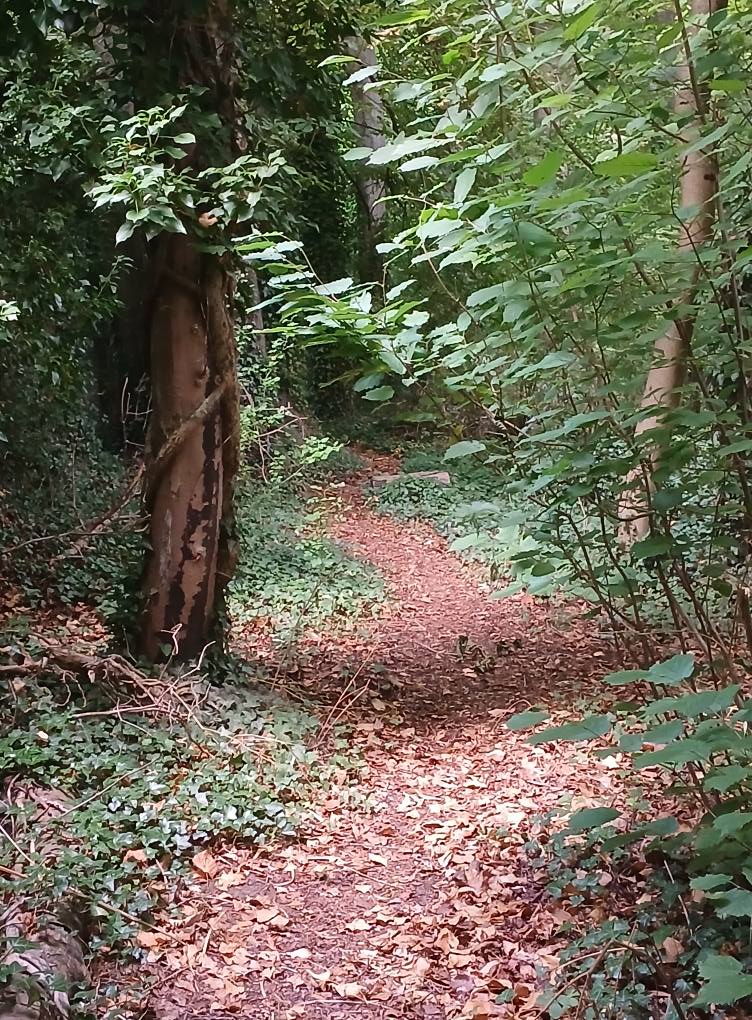
There is a rich allure in thinking of walking across an ancient landscape. When I do embark on this pilgrimage, it will be featured in posts on this blog. but in the meantime, there is much more to learn about the Bronze Age and its associations with EarthWise knowledge and practices.
My fascination with the Bronze Age
The prior ages observance and relationships with nature are often commemorated into ritual, collective memory and associated with those material culture objects.
What remains
While there is scant information on the practices and beliefs of Bronze Age communities in the British isles, there are other markers, everywhere. The isles are replete with Neolithic monuments. Some are famous. These include Stonehenge and Avebury. Other areas are less known but silent witnesses nonetheless to yesterday and today.
Why do these monuments hold such a fascination for us today? Perhaps it is just that—their role as silent sentinel today—echoing a past of something rich and powerful and evocative. It is a mystery, but it is that mystery that is part of the allure.
This is reflected in the present day popularity of observances such as the Summer and Winter Solstices, and the Spring and Autumn Equinoxes at sites such as Avebury and Stonehenge. Engaging in what feels like timeless celebrations can be a very profound way of connecting with Nature.
But these sorts of observances only scratch the surface of what relationships and Nature connections were like over the ages. This does not mean that anyone has to take on additional meaning or knowledge, but it can be also of great interest to learn about the past—whether to add depth to a current practice, or even simply for the value of the knowledge itself, and indeed for any other reason.
Purpose of Neolithic Monuments?
So what was the purpose, or indeed purposes, of such monuments of Stonehenge and Avebury? Were they for the tracking of the change of seasons, or something more? And why would having something that tracked the seasons matter?
Darvill argues that Stonehenge for instance had a purpose far more culturally complex than functioning as a solar calendar. He says, “Although archaeological accounts often rehearse the notion that early farmers needed time-reckoning systems to know when to plant and when to harvest, no self-respecting farmer needs to be told these things—their skill and experience dictates how they work the land. Where farmers do need guidance, however, is in knowing when to celebrate the harvest festival for best effect, or when to please the gods with their presence at key ceremonies.”
Thus, the societal importance of the monument went far beyond the calculation of when the seasons would change or when to schedule agrarian tasks. As Darvill notes, there was a strong performative aspect to these monuments. It is this performative aspect that seems to echo through the ages with the modern celebrations of key times of the year. But there is still much more than that to explore about the relationship of those societies with the land, the changing of the seasons and their social structure and functioning.
The echo of Mesolithic into the Neolithic
The fascination of what past societies did, and in finding relevance in their old traditions is not a modern phenomena. This article argues that the places that were important to Neolithic cultures in fact had an allure due to their importance to past generations: “Places in the landscape that had special significance during the Mesolithic evolved into places that Neolithic people venerated and used for ritual activity because of their ancestral resonance.”
.
Conclusion
This post provides a taster of the rich history and discussions waiting to be discovered and discussed about the connection of nature and human society through and across the ages.
These will be explored throughout this series of posts. The next post will focus on The Sweet Track, a recently re-discovered ancient Neolithic track through the marshlands of Somerset.
This is just the beginning of learning what EarthWise connections have existed in the past and reverberate into the present. It will be a fascinating journey and I look forward to sharing this with you.
What parts of history and prehistory interest you and why? Share your thoughts, questions and ideas in the comments!